
Thursday, 24 October 2013

Monday, 21 October 2013
Task 3: Write a short essay on the codes and conventions of documentary films
1.
Louis Theroux was the main man when it came to questioning the Phelps family and producing 'The Most Hated Family In America.' As an interactive filmmaker, Theroux spends most of the film informally interviewing members of the church, often individually.
2.
The main subjects of the documentary are the church members that shock people the most. Like Shirley Rebekah and Fred Phelps, and Steve Drain.
Theroux spends most of his time with Shirley, and she also has most screen time. She is very supportive of her views, and although she finds Theroux's questions and picking quite irritable, she doesn't lash out or react as such. Asides inflicting her views on her children, she seems quite a good mother. Fred Phelps, or as he is commonly referred to as, 'Gramps' keeps himself to himself. He is the leader of the church. However, he is seen constantly shunning Theroux, and goes out of his way to purposely ignore Theroux's questions. This can be quite challenging as a documentary maker.
3.
Theroux questions the reasoning behind Westboro's actions throughout the film, often touching on the themes of Religion, Homosexuality, Family, and Interpretation. Their off-shoot of Christianity that they follow is the core of their controversial lifestyle. The church as a whole seem very faithful to their religion, and have a very in-depth knowledge of it. Rebekah and Shirley Phelps are seen constantly defending themselves from Theroux and his questions, reasoning with him and justifying their actions.
The Westboro Baptist church have been known to protest and mock homosexuality, as the church is built around an anti-homosexual theology. One of the most common things we see on the picketing signs in the film are 'God Hates Fags.' This is also the name of the church website. Their hatred of US soldiers is also expressed in a way that depicts soldiers having gay sex.
Another theme seem in the clip is the idea of family. Towards the end of the film we see one of Shirley's children get hit by a projectile thrown from a passing car whilst picketing. It's an example of what happens when you cause offence like this. However, we see that Shirley does care about her children. It makes the audience feel bad for the children, as they are likely to live a life of being social outcasts. Theroux points out that this may bring the family closer together, as they only really have each other.
4 + 6.
From watching the whole film, we can deduce that Louis Theroux's film crew are of a reasonable size. Perhaps 10-20 people on set, and 3 or 4 men on cameras. We can see this by the type of shots we see. Most scenes are filmed on handheld cameras. The shots are up close, right up in the subject's faces. This form of cinematography is used so that we can see their responses to Theroux's questions, and how they feel when they talk about their beliefs.
Like the cameras, Louis is very much in the subject's faces. He is very direct, and quite pushy, but only when he needs to be. We see him use this interview technique with the defensive characters like Fred and Steve, as so he can force an answer, or some form of response. (Mostly Anger) On the flip-side, characters like Shirley and Rebekah are more open, and they discuss their religion in a less tense manner - we don't see Theroux fishing for answers as much.
5.
'The Most Hated Family in America' is a Participatory documentary. Theroux questions the family's beliefs and, to an extent, participates with their day-to-day activities. However, the film does start pushing slightly towards being a reflective film too. Some parts are made to make the audience feel bad for the children, as they are born into a family of outcasts. Certain scenes will have Louis talking to Rebekah Phelps about her love life. She tells him that she doesn't need (or want) anyone. It is also implied that she doesn't have parental approval, and that it is unlikely someone will be accepting of her religion. It's kind of saddening in a way.
7 + 8.
The main goal with ''The Most Hated Family in America' was to expose the church, and provoke a reaction from these people. The way that they explain themselves and their reasoning for this is supposed to shock people. The controversy surrounding the church and it's homophobic beliefs continues to cause controversy. Some parts of the film are there to remind us that the Phelps family are human. Behind the appalling beliefs, we see that they care for each other, and that they might not be 100% vile. especially the children. And this is where the reflexive part comes in. We are supposed to feel empathy for these people. Most of us will not, but this can spark a debate perhaps. Either way, Louis Theroux finds a good un-bias balance of showing us what sort of people are part of the Westboro Baptist Church.
9.
The subjects of this film are highly controversial. 'The Most Hated Family in America' was produced with this in mind. It makes good TV. It provokes a response, all whilst educating the audience, and giving them a well-rounded inside look of the subjects.
Louis Theroux was the main man when it came to questioning the Phelps family and producing 'The Most Hated Family In America.' As an interactive filmmaker, Theroux spends most of the film informally interviewing members of the church, often individually.
2.
The main subjects of the documentary are the church members that shock people the most. Like Shirley Rebekah and Fred Phelps, and Steve Drain.
Theroux spends most of his time with Shirley, and she also has most screen time. She is very supportive of her views, and although she finds Theroux's questions and picking quite irritable, she doesn't lash out or react as such. Asides inflicting her views on her children, she seems quite a good mother. Fred Phelps, or as he is commonly referred to as, 'Gramps' keeps himself to himself. He is the leader of the church. However, he is seen constantly shunning Theroux, and goes out of his way to purposely ignore Theroux's questions. This can be quite challenging as a documentary maker.
3.
Theroux questions the reasoning behind Westboro's actions throughout the film, often touching on the themes of Religion, Homosexuality, Family, and Interpretation. Their off-shoot of Christianity that they follow is the core of their controversial lifestyle. The church as a whole seem very faithful to their religion, and have a very in-depth knowledge of it. Rebekah and Shirley Phelps are seen constantly defending themselves from Theroux and his questions, reasoning with him and justifying their actions.
The Westboro Baptist church have been known to protest and mock homosexuality, as the church is built around an anti-homosexual theology. One of the most common things we see on the picketing signs in the film are 'God Hates Fags.' This is also the name of the church website. Their hatred of US soldiers is also expressed in a way that depicts soldiers having gay sex.
Another theme seem in the clip is the idea of family. Towards the end of the film we see one of Shirley's children get hit by a projectile thrown from a passing car whilst picketing. It's an example of what happens when you cause offence like this. However, we see that Shirley does care about her children. It makes the audience feel bad for the children, as they are likely to live a life of being social outcasts. Theroux points out that this may bring the family closer together, as they only really have each other.
4 + 6.
From watching the whole film, we can deduce that Louis Theroux's film crew are of a reasonable size. Perhaps 10-20 people on set, and 3 or 4 men on cameras. We can see this by the type of shots we see. Most scenes are filmed on handheld cameras. The shots are up close, right up in the subject's faces. This form of cinematography is used so that we can see their responses to Theroux's questions, and how they feel when they talk about their beliefs.
Like the cameras, Louis is very much in the subject's faces. He is very direct, and quite pushy, but only when he needs to be. We see him use this interview technique with the defensive characters like Fred and Steve, as so he can force an answer, or some form of response. (Mostly Anger) On the flip-side, characters like Shirley and Rebekah are more open, and they discuss their religion in a less tense manner - we don't see Theroux fishing for answers as much.
5.
'The Most Hated Family in America' is a Participatory documentary. Theroux questions the family's beliefs and, to an extent, participates with their day-to-day activities. However, the film does start pushing slightly towards being a reflective film too. Some parts are made to make the audience feel bad for the children, as they are born into a family of outcasts. Certain scenes will have Louis talking to Rebekah Phelps about her love life. She tells him that she doesn't need (or want) anyone. It is also implied that she doesn't have parental approval, and that it is unlikely someone will be accepting of her religion. It's kind of saddening in a way.
7 + 8.
The main goal with ''The Most Hated Family in America' was to expose the church, and provoke a reaction from these people. The way that they explain themselves and their reasoning for this is supposed to shock people. The controversy surrounding the church and it's homophobic beliefs continues to cause controversy. Some parts of the film are there to remind us that the Phelps family are human. Behind the appalling beliefs, we see that they care for each other, and that they might not be 100% vile. especially the children. And this is where the reflexive part comes in. We are supposed to feel empathy for these people. Most of us will not, but this can spark a debate perhaps. Either way, Louis Theroux finds a good un-bias balance of showing us what sort of people are part of the Westboro Baptist Church.
9.
The subjects of this film are highly controversial. 'The Most Hated Family in America' was produced with this in mind. It makes good TV. It provokes a response, all whilst educating the audience, and giving them a well-rounded inside look of the subjects.
Task 4: Codes and Conventions of TV News Broadcasts?
Codes and Conventions of TV News Broadcasts.
a) Describe (P) the codes and conventions of TV News Broadcasts.
b) Explain (M) how and why they are used by News Outlets.
c) Use Examples (D) from TV news broadcasts to illustrate your points.
On Screen Cinematography
a) Describe (P) the codes and conventions of TV News Broadcasts.
b) Explain (M) how and why they are used by News Outlets.
c) Use Examples (D) from TV news broadcasts to illustrate your points.
- Explain what 'codes and conventions' are
- Describe and explain a 'television news broadcast'
- Remember to discuss: Studio News Presenters, Field Reporters, Contributors, Links to Studio, Actuality Footage, Report Structure & Mode of Address.
-----------------------------------------------------------
In a television news broadcast, there are several codes and conventions that the broadcasters must follow to have a successful show that will educate and/or entertain the audience. There are many, but simple Codes and Conventions.
On Screen Cinematography
The most common conventions we see is the 'direct address to camera.' This is when the newsreader or field reporter addresses the camera directly, making eye contact, and speaking towards it.
Another convention we see a lot (not only in the news) is cutaways. An example of a cutaway shot is when the newsreader or field reporter is addressing the camera, but is cut-off camera mid-sentence. However, the audio still plays, and they are now voicing-over the on-screen footage.
Title Sequence
Before the show even starts, there is the title sequence. All news intros will usually be quite similar to each other. The newsreader will introduce themselves and the show, and welcome the audience in a direct address to camera. They will then tell us the headlines of the show. This will then transition (As a cutaway) to the reader now having to voice-over some actuality footage. The newsreader does this for each story, in order of news values. (Highest to Lowest) There will be lots of graphics that will usually involve London, the globe, ect. This, and the theme music, will make the stories sound more 'busy.' It adds importance.
The camera will pan around the presenter and their desk. (Maybe as a high angle shot) The presenter will then begin reading the first, and most important story.

Newsreaders, & Contributors
Although the above is important to stick to, the most important codes and conventions involve the presenters, and how they deliver the news. Being a newsreader is harder than it looks. It requires you to research the news yourself, gain an understanding of it, and then turn it into a clear, simple, and easy to understand script that will be read later that night.

Newsreaders need good interpersonal skills, and good communication skills to perfect the mode of address. They need to be confident in front a camera, and deliver their script with good diction. No word-stumbling or mispronunciations. They will directly address the camera, and use personal pronouns like you/your.
Presenters need to be presentable - The news is probably the most serious and formal programme on television. They need to dress extremely formal, and have neat hair.
Field Reporters Field Reporters are like on-scene newsreaders. Similarly to newsreaders, they will be required to have good interpersonal/communication skills. They will not always be required to be dressed as formally, as they could be in a war zone or a rally. They will be responsible for interviewing contributors (Experts in a relevant topic or witnesses) and reporting back to the studio.

Another convention we see a lot (not only in the news) is cutaways. An example of a cutaway shot is when the newsreader or field reporter is addressing the camera, but is cut-off camera mid-sentence. However, the audio still plays, and they are now voicing-over the on-screen footage.
Title Sequence
Before the show even starts, there is the title sequence. All news intros will usually be quite similar to each other. The newsreader will introduce themselves and the show, and welcome the audience in a direct address to camera. They will then tell us the headlines of the show. This will then transition (As a cutaway) to the reader now having to voice-over some actuality footage. The newsreader does this for each story, in order of news values. (Highest to Lowest) There will be lots of graphics that will usually involve London, the globe, ect. This, and the theme music, will make the stories sound more 'busy.' It adds importance.
The camera will pan around the presenter and their desk. (Maybe as a high angle shot) The presenter will then begin reading the first, and most important story.

Newsreaders, & Contributors
Although the above is important to stick to, the most important codes and conventions involve the presenters, and how they deliver the news. Being a newsreader is harder than it looks. It requires you to research the news yourself, gain an understanding of it, and then turn it into a clear, simple, and easy to understand script that will be read later that night.
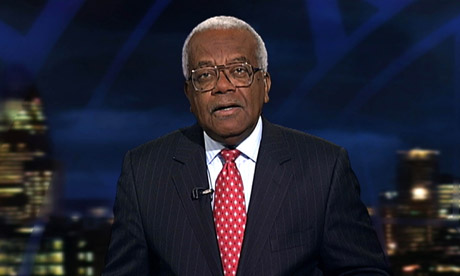
Newsreaders need good interpersonal skills, and good communication skills to perfect the mode of address. They need to be confident in front a camera, and deliver their script with good diction. No word-stumbling or mispronunciations. They will directly address the camera, and use personal pronouns like you/your.
Presenters need to be presentable - The news is probably the most serious and formal programme on television. They need to dress extremely formal, and have neat hair.
Field Reporters Field Reporters are like on-scene newsreaders. Similarly to newsreaders, they will be required to have good interpersonal/communication skills. They will not always be required to be dressed as formally, as they could be in a war zone or a rally. They will be responsible for interviewing contributors (Experts in a relevant topic or witnesses) and reporting back to the studio.

Task 2: What is a documentary/factual media product?
A Film or Television documentary is a compilation of non-fiction clips of a certain topic. Documentaries are meant to document some aspect of our world, like nature, for example. The purpose of a documentary is to educate, inform, and entertain it's audience. Some may be shown to highlight something that the audience might find particularly shocking, perhaps sparking controversy and/or debate.
Most documentaries will tend to have voice-overs, explaining to us what we are seeing on screen in hopes to further educate us in the subject. We would expect to see interviews in a documentary. The interviewee's tend to be people with experience in the topic that can give us an insight, but people with valued opinions and victims of something are common too. The filmmaker will usually wrap up parts of, or the whole film by telling us their observations and conclusions. Different filmmakers will make documentaries about different things, whether it may be nature, a specific culture or lifestyle, history, or someones life. Factual media products are constantly evolving and changing, so it can be hard to put a genre on more recent films. For example, a recent trend is shows like the Only Way is Essex. Products like these can be classed as a Participatory documentary. A Participatory documentary is interacting with the subject(s). There may be minor intervention, and maybe some interviews. There will be a lot of location shooting with a handheld camera. The filmmakers may or may not join in or question the subjects. An Observational documentary's sole purpose is to observe. The subjects are aware that they are being watched, but they are mostly natural. There will be less interviews, less voice-overs, and a direct sound linked to the video. An Expository documentary is to reveal or investigate something, less like observational and participatory, there will be more interviews and voice-overs, lots of images, good editing, maybe some music. Most documentaries will tend to follow this format. Reflexive documentaries are supposed to give people an emotional response. The filmmakers may accompany images and clips with dramatic music, perhaps re-enactmenting an event. The more controversial shows will use this mode as they rely on people having a strong opinion. If the audience don't have a love or hate towards the subject, it won't be entertaining to watch. Performative documentaries will often feature the filmmaker as the subject, similar to video logging. The filmmaker will be opinionated and inclined to make frequent comments.
Most documentaries will tend to have voice-overs, explaining to us what we are seeing on screen in hopes to further educate us in the subject. We would expect to see interviews in a documentary. The interviewee's tend to be people with experience in the topic that can give us an insight, but people with valued opinions and victims of something are common too. The filmmaker will usually wrap up parts of, or the whole film by telling us their observations and conclusions. Different filmmakers will make documentaries about different things, whether it may be nature, a specific culture or lifestyle, history, or someones life. Factual media products are constantly evolving and changing, so it can be hard to put a genre on more recent films. For example, a recent trend is shows like the Only Way is Essex. Products like these can be classed as a Participatory documentary. A Participatory documentary is interacting with the subject(s). There may be minor intervention, and maybe some interviews. There will be a lot of location shooting with a handheld camera. The filmmakers may or may not join in or question the subjects. An Observational documentary's sole purpose is to observe. The subjects are aware that they are being watched, but they are mostly natural. There will be less interviews, less voice-overs, and a direct sound linked to the video. An Expository documentary is to reveal or investigate something, less like observational and participatory, there will be more interviews and voice-overs, lots of images, good editing, maybe some music. Most documentaries will tend to follow this format. Reflexive documentaries are supposed to give people an emotional response. The filmmakers may accompany images and clips with dramatic music, perhaps re-enactmenting an event. The more controversial shows will use this mode as they rely on people having a strong opinion. If the audience don't have a love or hate towards the subject, it won't be entertaining to watch. Performative documentaries will often feature the filmmaker as the subject, similar to video logging. The filmmaker will be opinionated and inclined to make frequent comments.
Subscribe to:
Comments (Atom)