Codes and Conventions of TV News Broadcasts.
a) Describe (P) the codes and conventions of TV News Broadcasts.
b) Explain (M) how and why they are used by News Outlets.
c) Use Examples (D) from TV news broadcasts to illustrate your points.
On Screen Cinematography
a) Describe (P) the codes and conventions of TV News Broadcasts.
b) Explain (M) how and why they are used by News Outlets.
c) Use Examples (D) from TV news broadcasts to illustrate your points.
- Explain what 'codes and conventions' are
- Describe and explain a 'television news broadcast'
- Remember to discuss: Studio News Presenters, Field Reporters, Contributors, Links to Studio, Actuality Footage, Report Structure & Mode of Address.
-----------------------------------------------------------
In a television news broadcast, there are several codes and conventions that the broadcasters must follow to have a successful show that will educate and/or entertain the audience. There are many, but simple Codes and Conventions.
On Screen Cinematography
The most common conventions we see is the 'direct address to camera.' This is when the newsreader or field reporter addresses the camera directly, making eye contact, and speaking towards it.
Another convention we see a lot (not only in the news) is cutaways. An example of a cutaway shot is when the newsreader or field reporter is addressing the camera, but is cut-off camera mid-sentence. However, the audio still plays, and they are now voicing-over the on-screen footage.
Title Sequence
Before the show even starts, there is the title sequence. All news intros will usually be quite similar to each other. The newsreader will introduce themselves and the show, and welcome the audience in a direct address to camera. They will then tell us the headlines of the show. This will then transition (As a cutaway) to the reader now having to voice-over some actuality footage. The newsreader does this for each story, in order of news values. (Highest to Lowest) There will be lots of graphics that will usually involve London, the globe, ect. This, and the theme music, will make the stories sound more 'busy.' It adds importance.
The camera will pan around the presenter and their desk. (Maybe as a high angle shot) The presenter will then begin reading the first, and most important story.

Newsreaders, & Contributors
Although the above is important to stick to, the most important codes and conventions involve the presenters, and how they deliver the news. Being a newsreader is harder than it looks. It requires you to research the news yourself, gain an understanding of it, and then turn it into a clear, simple, and easy to understand script that will be read later that night.

Newsreaders need good interpersonal skills, and good communication skills to perfect the mode of address. They need to be confident in front a camera, and deliver their script with good diction. No word-stumbling or mispronunciations. They will directly address the camera, and use personal pronouns like you/your.
Presenters need to be presentable - The news is probably the most serious and formal programme on television. They need to dress extremely formal, and have neat hair.
Field Reporters Field Reporters are like on-scene newsreaders. Similarly to newsreaders, they will be required to have good interpersonal/communication skills. They will not always be required to be dressed as formally, as they could be in a war zone or a rally. They will be responsible for interviewing contributors (Experts in a relevant topic or witnesses) and reporting back to the studio.

Another convention we see a lot (not only in the news) is cutaways. An example of a cutaway shot is when the newsreader or field reporter is addressing the camera, but is cut-off camera mid-sentence. However, the audio still plays, and they are now voicing-over the on-screen footage.
Title Sequence
Before the show even starts, there is the title sequence. All news intros will usually be quite similar to each other. The newsreader will introduce themselves and the show, and welcome the audience in a direct address to camera. They will then tell us the headlines of the show. This will then transition (As a cutaway) to the reader now having to voice-over some actuality footage. The newsreader does this for each story, in order of news values. (Highest to Lowest) There will be lots of graphics that will usually involve London, the globe, ect. This, and the theme music, will make the stories sound more 'busy.' It adds importance.
The camera will pan around the presenter and their desk. (Maybe as a high angle shot) The presenter will then begin reading the first, and most important story.

Newsreaders, & Contributors
Although the above is important to stick to, the most important codes and conventions involve the presenters, and how they deliver the news. Being a newsreader is harder than it looks. It requires you to research the news yourself, gain an understanding of it, and then turn it into a clear, simple, and easy to understand script that will be read later that night.
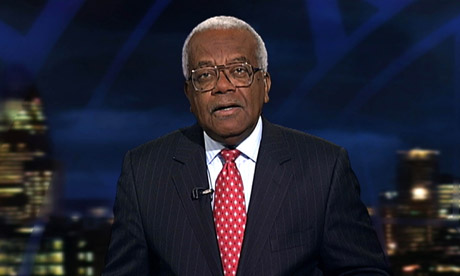
Newsreaders need good interpersonal skills, and good communication skills to perfect the mode of address. They need to be confident in front a camera, and deliver their script with good diction. No word-stumbling or mispronunciations. They will directly address the camera, and use personal pronouns like you/your.
Presenters need to be presentable - The news is probably the most serious and formal programme on television. They need to dress extremely formal, and have neat hair.
Field Reporters Field Reporters are like on-scene newsreaders. Similarly to newsreaders, they will be required to have good interpersonal/communication skills. They will not always be required to be dressed as formally, as they could be in a war zone or a rally. They will be responsible for interviewing contributors (Experts in a relevant topic or witnesses) and reporting back to the studio.


No comments:
Post a Comment